Navigating a diagnosis of symptomatic uterine fibroids is a deeply personal journey. From severe menstrual bleeding and pelvic pressure to chronic fatigue, the physical impact of fibroids often prompts women to seek guidance from their primary partner in pelvic health: their gynecologist.
Gynecologists play an indispensable role in women’s healthcare, offering comprehensive diagnostic workups, medical management, and surgical expertise. But as medical technology advances, the landscape of fibroid treatment has expanded significantly beyond traditional surgery.
Today, multidisciplinary care models — where gynecologists and interventional radiologists collaborate closely — are giving women access to the full spectrum of fibroid treatment options, including minimally invasive Uterine Fibroid Embolization (UFE). Understanding how UFE complements traditional gynecological care empowers both patients and providers to tailor treatment to each woman’s unique anatomy, symptoms, and goals.
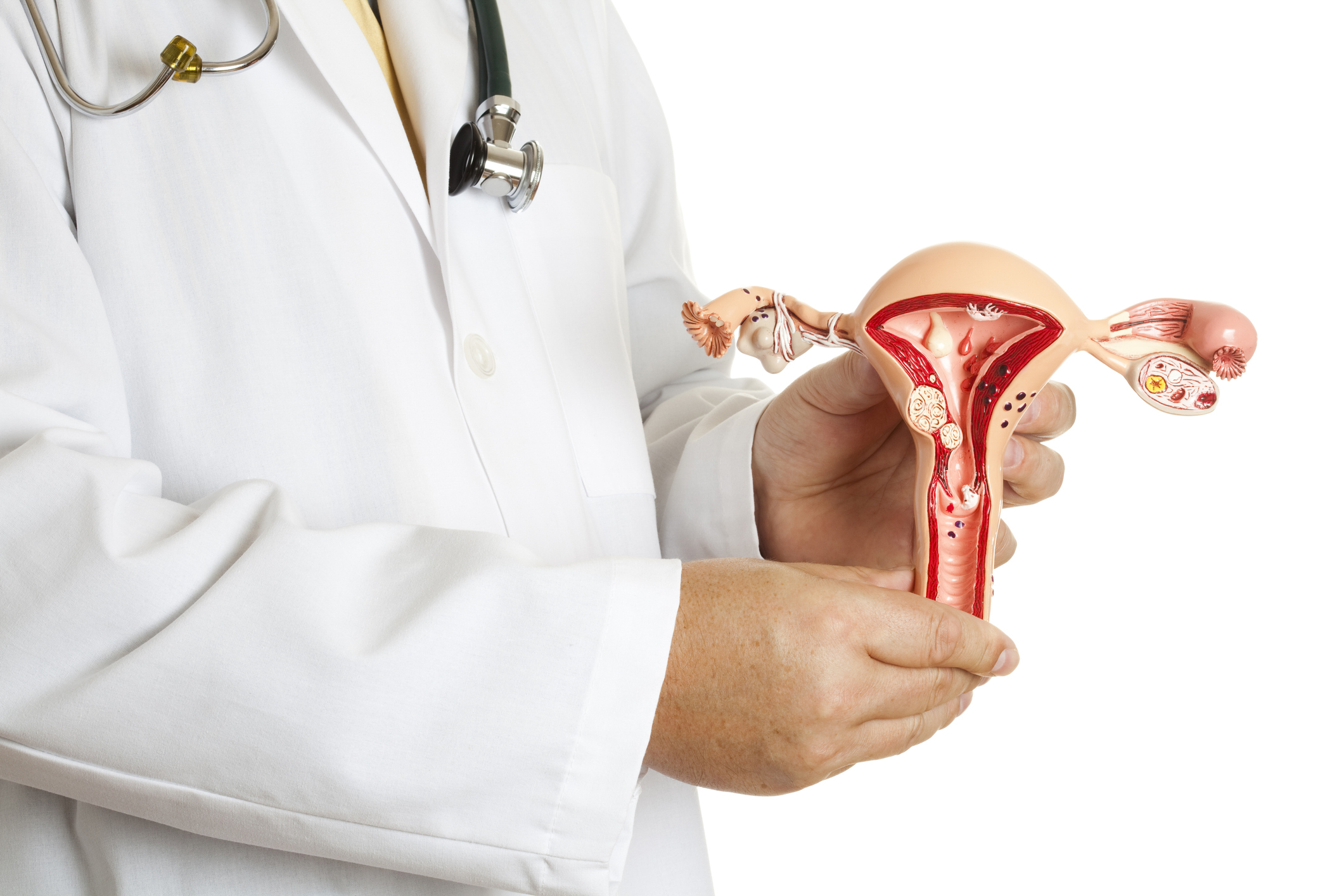
The Evolution of Fibroid Treatment: How Multidisciplinary Care Has Changed the Landscape
For decades, surgical procedures like myomectomy (removing individual fibroids) and hysterectomy (removing the uterus entirely) were the primary definitive solutions for severe fibroid symptoms. Today, medical subspecialties increasingly overlap to offer less invasive, highly effective alternatives.
Where Gynecologists and Interventional Radiologists Meet
Much like how cardiologists and cardiac surgeons collaborate to offer both catheter-based and surgical solutions for heart disease, gynecologists and interventional radiologists now work together to optimize fibroid management. Gynecologists bring deep expertise in reproductive health and surgical care. Interventional radiologists bring specialized skill in image-guided, endovascular therapies. When these two disciplines partner, patients benefit from a complete evaluation that considers every available avenue — not just the surgical ones.
How Uterine Fibroid Embolization Works
Uterine Fibroid Embolization is a well-established, uterus-preserving procedure backed by more than 25 years of robust clinical data. Supported by practice guidelines from the American College of Obstetricians and Gynecologists (ACOG) as a top-tier, Level A evidence-based alternative to surgery, UFE works entirely through the body’s vascular network — no scalpels, no open incisions, no general anesthesia required.
Pinhole Access — No Large Incisions
An interventional radiologist navigates a microscopic catheter through a tiny entry point in the wrist or upper thigh. The entire procedure is performed through this single, pinhole-sized access point.
Targeted Particle Delivery
Using real-time imaging guidance, microscopic biocompatible particles are delivered precisely into the uterine arteries that supply blood to the fibroids — cutting off their source of growth.
Natural Fibroid Regression
Deprived of their blood supply, the fibroid tumors gradually shrink and soften over the weeks and months following the procedure. Heavy bleeding, pelvic pressure, and bulk-related symptoms resolve as the fibroids regress.
Preserved Anatomy and Rapid Recovery
Because uterine fibroid embolization leaves the uterus intact and requires no large abdominal incisions, most patients recover comfortably at home within 7 to 10 days — a fraction of the recovery time associated with open surgery. Learn more about what to expect from minimally invasive treatment at My AIM Health.
UFE vs. Surgery: Understanding Your Options
Every woman’s anatomy, symptom profile, and personal goals are different. For some patients, surgical intervention remains the most appropriate clinical pathway. For others, uterine fibroid embolization offers the ideal balance of lasting symptom relief, minimal recovery time, and preserved anatomy.
UFE vs. Hysterectomy
A hysterectomy permanently removes the uterus and typically requires 6 to 8 weeks of recovery. Uterine fibroid embolization preserves the uterus entirely, is performed as an outpatient procedure, and returns most patients to normal activity within 7 to 10 days. For women who want to retain their uterus — whether for fertility, personal preference, or simply to avoid major surgery — UFE is a clinically supported, evidence-backed alternative.
UFE vs. Myomectomy
Myomectomy surgically removes individual fibroids while leaving the uterus in place. While effective, it still involves open or laparoscopic surgery, general anesthesia, and a recovery period of several weeks. UFE achieves fibroid regression across the entire uterus simultaneously — including fibroids that may not be surgically accessible — through a single, minimally invasive, outpatient procedure.
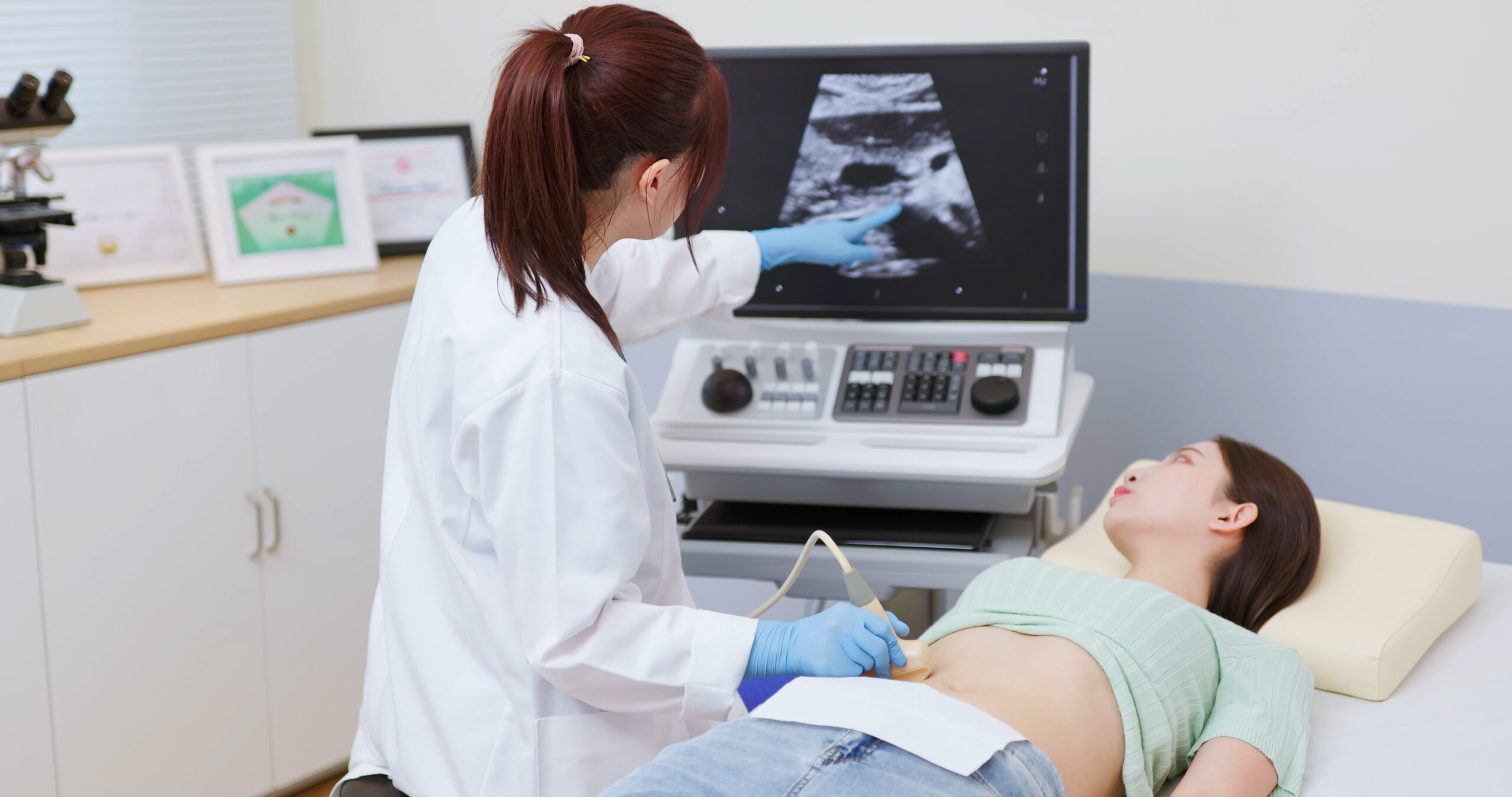
How to Start the Conversation with Your Healthcare Team
If you are evaluating treatment options for uterine fibroids, an open, collaborative discussion with your care team is the best place to start.
Questions to Bring to Your Gynecologist
Consider raising these questions at your next appointment:
- “Based on my fibroid size, location, and symptoms, could a non-surgical option like Uterine Fibroid Embolization be a good fit for me?”
- “How do the recovery timelines and physical impact of UFE compare to surgical options for my specific lifestyle?”
- “Would it be helpful to get a joint consultation with an interventional radiologist to review my vascular anatomy alongside our gynecological plan?”
These questions open the door to a more complete conversation — one that puts your full range of options on the table, not just the surgical ones.
Collaborative Fibroid Care at My AIM Health
At My AIM Health, our board-certified interventional radiologists view referring gynecologists and primary care physicians as essential partners in patient care. We are dedicated to working side-by-side with providers across the Phoenix area to offer seamless, multidisciplinary evaluations that serve each patient’s individual needs.
Whether the path forward involves medical management, minimally invasive uterine fibroid embolization, or surgical consultation, our shared goal is simple: helping every patient achieve lasting relief and reclaim their quality of life.
Contact our team today to learn how collaborative fibroid care can support your treatment plan — or to schedule a consultation to find out if UFE is right for you.