From Accidental Discovery to Mainstream Therapy: The History and Science of Prostate Artery Embolization (PAE)
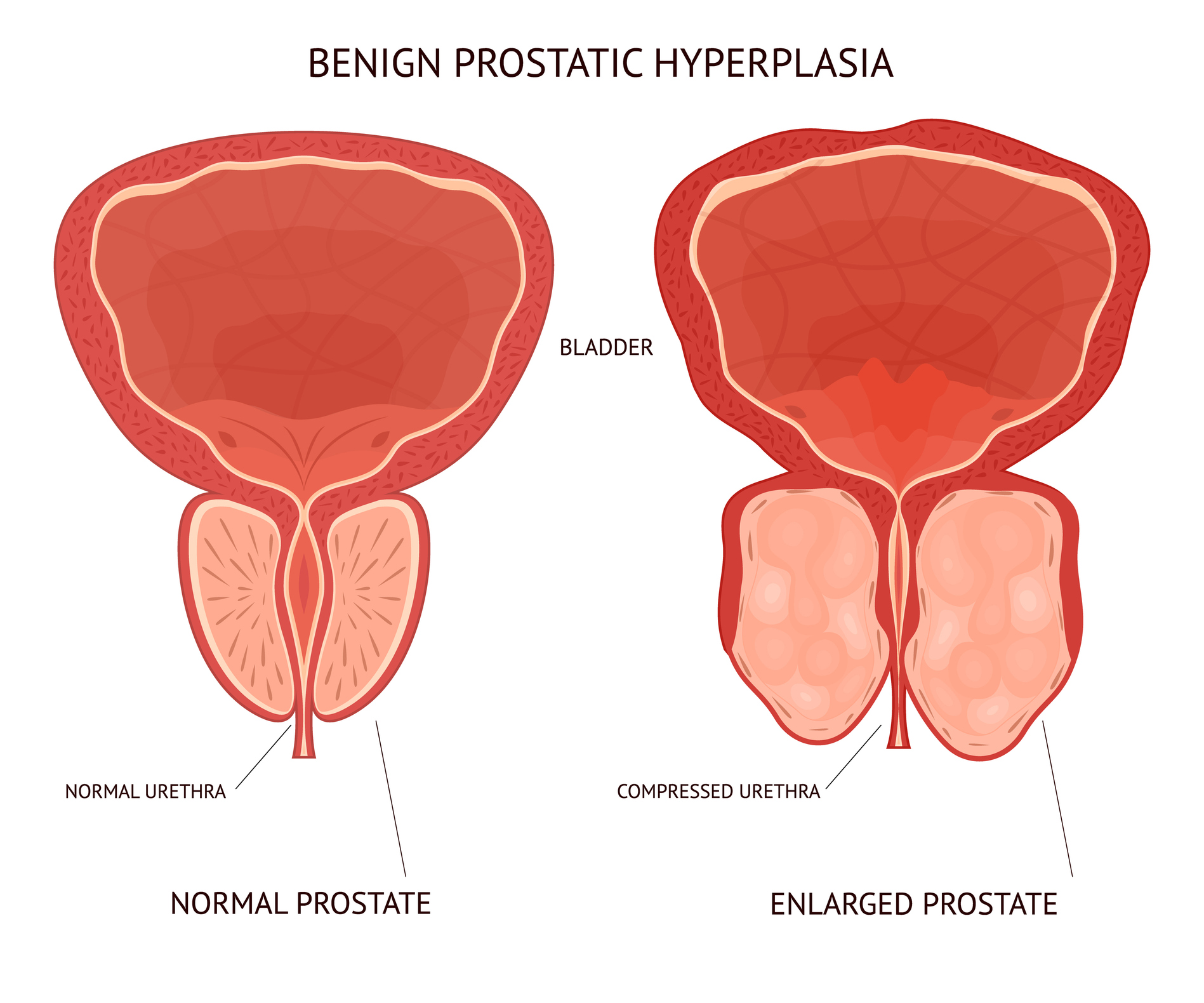
For millions of aging men, Benign Prostatic Hyperplasia (BPH)—a non-cancerous enlargement of the prostate—is a constant shadow over daily life. The frequent nighttime bathroom trips, weak stream, and sudden urgency can disrupt sleep, interfere with travel, and severely diminish quality of life.
For decades, when medications failed to control symptoms, the go-to solution was a surgical procedure known as TURP (Transurethral Resection of the Prostate). While effective, TURP carries significant fears for many men, including risks of sexual dysfunction, incontinence, bleeding, and a painful recovery.
Then an accidental discovery in
interventional radiology changed the picture. Today,
Prostate Artery Embolization (PAE) — also written as prostatic artery embolization — offers a pinhole,
non-surgical treatment for an enlarged prostate. But the question most men actually want answered is simpler than the history: does it work?
The short answer: across more than two decades of published research, PAE typically reduces prostate volume by 20% to 40%, produces symptom improvements comparable to surgical options on the International Prostate Symptom Score (IPSS), and does so without cutting or removing tissue. Here’s where that evidence came from and what it actually says.
What Is Prostate Artery Embolization?
PAE is a minimally invasive, image-guided procedure. Using ultrasound and X-ray guidance, an interventional radiologist threads a small catheter through a pinhole entry point in the wrist or groin and navigates it to the arteries feeding the prostate. Tiny microbeads are then released into those arteries, reducing blood flow to the gland.
Starved of excess blood supply, the prostate shrinks. As it shrinks, pressure on the urethra eases and urine flows more freely. Nothing is cut, and no tissue is removed — which is the root of most of PAE’s advantages over surgery.
The Accidental Discovery That Started It All
Much like Uterine Fibroid Embolization – the same underlying principle applied to uterine fibroids —PAE wasn’t initially invented as a primary treatment for BPH. Instead, its discovery was a serendipitous medical breakthrough.
The 2000 Case Report That Changed BPH Treatment
In 2000, Dr. John DeMeritt and colleagues published a case report in the Journal of Vascular and Interventional Radiology describing a 76-year-old man with severe, recurrent prostate bleeding (gross hematuria) caused by BPH, who was also in urinary retention. To stop the life-threatening bleeding, the team performed an emergency transarterial embolization using microscopic polyvinyl alcohol (PVA) particles to block the vessels feeding the prostate.
The bleeding stopped immediately. What happened over the following months was the surprise: follow-up showed the patient’s prostate had shrunk by approximately 40%, his obstruction resolved, his IPSS score dropped from 24 to 13, and he was urinating normally again — with no surgery.

From One Patient to Formal Clinical Trials
Recognizing the revolutionary potential of Dr. DeMeritt’s case report, pioneering teams—most notably led by Dr. Carnevale in Brazil and Dr. Pisco in Portugal—began conducting formal clinical trials in the late 2000s to test PAE as an intentional, primary treatment for BPH. The results confirmed what Dr. DeMeritt first observed: by selectively starving excess prostate tissue of its blood supply, the gland shrinks, relieving urinary blockage without any surgical cutting or removal of tissue.
Prostate Artery Embolization Success Rates: What the Research Shows
Over the last fifteen years, PAE has been subjected to extensive global clinical research, including multiple randomized controlled trials, long-term prospective cohorts, and large multi-center registries. The published literature continuously highlights key benefits that set PAE apart:
- Significant Symptom Relief: Studies consistently show that PAE achieves marked improvements in International Prostate Symptom Scores (IPSS) and quality-of-life metrics, with results in the same range as traditional surgical options in comparative trials. Most men begin noticing change within a few weeks, with full benefit typically arriving over one to three months as the prostate continues to shrink.
- Preservation of Sexual Function: Unlike surgical TURP, which carries a well-documented risk of retrograde ejaculation and a meaningful risk of erectile dysfunction, PAE works entirely from inside the blood vessels, and the published literature reports substantially lower rates of sexual side effects than transurethral surgery. PAE preserves sexual function because it leaves surrounding nerves and sphincter muscles completely untouched. This is the difference that drives most men to ask about PAE in the first place.
- Prostate Volume Reduction: High-definition MRI follow-ups demonstrate an average prostate volume reduction of 30% to 40%, which is more than enough to unblock the urethra and restore urine flow.
- Same-Day Outpatient Recovery: Because the entire procedure is performed through a tiny entry point in the wrist or groin under light sedation, patients usually go home the same day. Most avoid a bladder catheter entirely and return to normal activity within a few days.
Want the full picture before you decide? Download our free PAE guide — a plain-English walkthrough of the procedure, recovery, and results.
Prostate Artery Embolization vs. TURP

TURP remains an excellent operation and produces the largest improvement in urinary flow. PAE trades a portion of that peak improvement for a dramatically gentler risk and recovery profile. Neither is universally “better” — the right answer depends on your prostate size, symptoms, health history, and priorities.
Is Prostate Artery Embolization Safe?
PAE has an established safety profile built on more than two decades of clinical use. Most side effects fall under what clinicians call post-embolization syndrome: temporary pelvic discomfort, urinary frequency, or mild burning that resolves within days. Serious complications are uncommon.
The one variable that matters most is operator experience. PAE requires navigating small, anatomically variable pelvic arteries, and outcomes correlate strongly with how many of these procedures the physician has performed. This is not a procedure to have done by someone learning it.
Official Guidelines Support: Making PAE Mainstream
For years, PAE was viewed as an emerging procedure. Today, however, the world’s leading urological and radiological medical societies officially endorse PAE in their clinical practice guidelines:
- Society of Interventional Radiology (SIR) & Cardiovascular and Interventional Radiological Society of Europe (CIRSE): Both major societies issue strong position statements recommending PAE as a safe, effective, and minimally invasive option for men with symptomatic BPH.
- American Urological Association (AUA): The AUA officially includes Prostate Artery Embolization in its BPH treatment guidelines, acknowledging it as an evidence-based, viable option—particularly for men looking to preserve sexual function, avoid surgery, or manage very large prostates that carry higher surgical risks.
- National Institute for Health and Care Excellence (NICE): The UK’s health authority supports the use of PAE, noting that the current evidence on safety and efficacy is robust enough to support routine clinical implementation.
Prostate Artery Embolization in Phoenix, Scottsdale, Gilbert, and Peoria
The journey of PAE from Dr. DeMeritt’s initial case report to an internationally recognized, guideline-backed procedure represents a major win for men’s health.
At My AIM Health, our
board-certified interventional radiologists bring deep procedural experience to PAE.
Dr. Arnold Saha has performed more than 1,500 prostate artery embolization procedures — an exceptional volume for this technique, and directly relevant given how strongly PAE outcomes track with operator experience.
We believe no man should feel trapped between suffering through BPH symptoms and accepting the side effects of invasive surgery. With image-guided PAE, you can shrink your prostate, sleep through the night, and get back to your life — through an opening no larger than a pinhole.
We see patients across the
Phoenix Valley, with clinics in Scottsdale, Gilbert, and Peoria, and offer a full range of vein and vascular treatments.
Schedule a consultation to find out whether prostate artery embolization is right for you, or call (480) 907-7572.