Symptomatic hemorrhoids are one of the most common—yet least discussed—health issues adults face. The persistent itching, sharp discomfort, and sudden spotting in the toilet bowl can turn simple daily routines—sitting at your desk, taking a walk, or driving—into a daily struggle.
Because of the stigma surrounding pelvic health, many people put off seeking help for months or even years. But non-surgical hemorrhoid treatment is more accessible than most people realize. Understanding how care progresses—from simple daily adjustments to advanced, image-guided options—can help you regain your comfort quickly and safely.
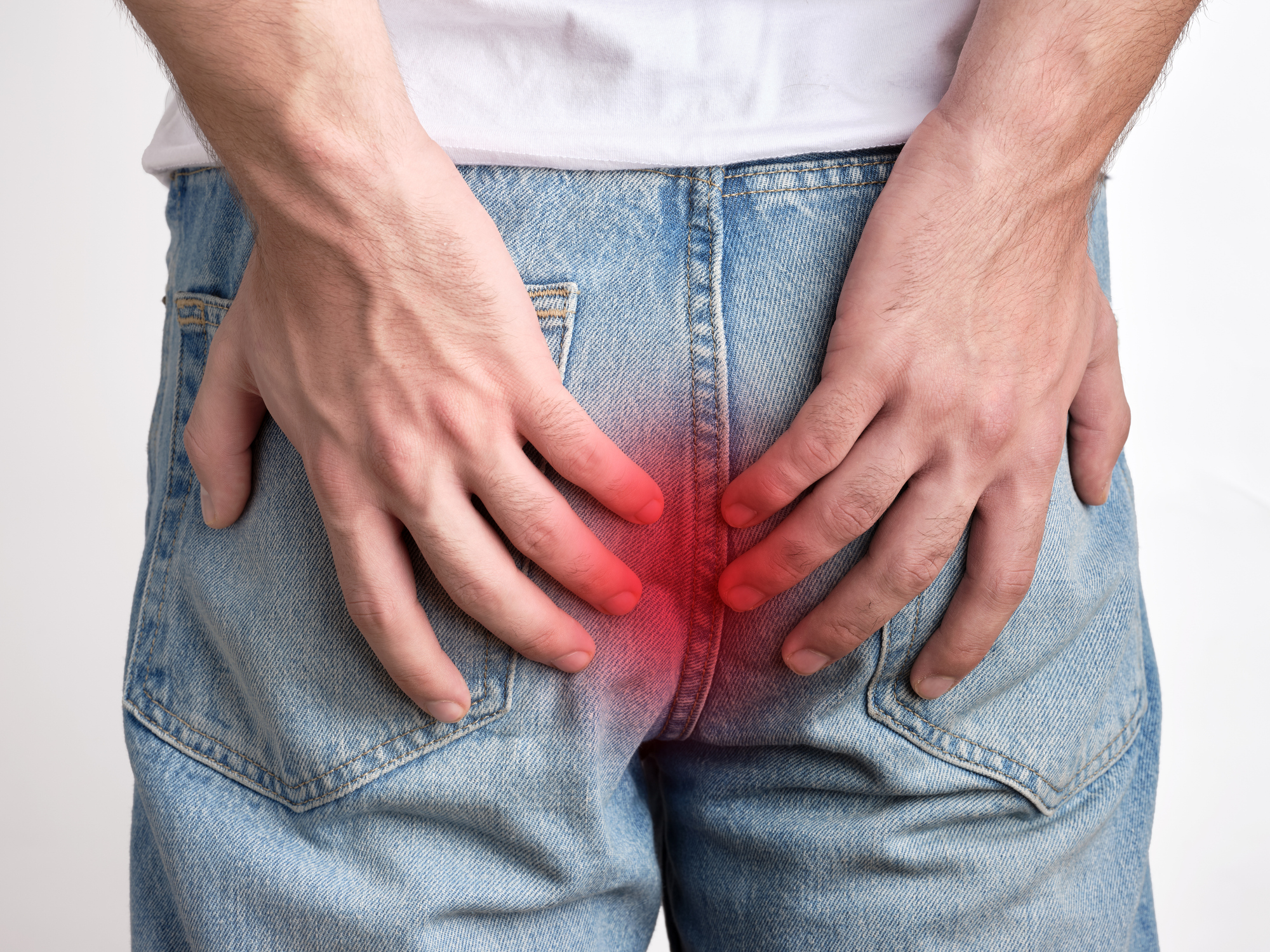
Step 1: Daily Home Care — Your First Line of Defense
For mild or early-stage hemorrhoids, conservative home care is always the first step toward relief. The primary goal is to reduce pressure on the lower pelvic veins and ease bowel movements.
Increase Soluble Fiber Gradually
Incorporating more oats, beans, fruits, and leafy greens—or a daily psyllium husk supplement—softens stool so it passes without straining.
Prioritize Hydration
Fiber needs water to work efficiently. Drinking 8 to 10 glasses of water daily keeps digestion smooth and supports natural hemorrhoid relief.
Avoid Prolonged Sitting
Sitting on the toilet for extended periods—especially while scrolling on a smartphone—increases gravitational pressure on sensitive pelvic tissue. Aim to keep bathroom visits brief.
Sitz Baths
Soaking in warm water for 15 minutes two to three times a day helps relax the sphincter muscle, increase local blood flow, and soothe irritation. Sitz baths are a simple, low-cost home remedy that can provide meaningful relief during a flare-up.
Step 2: Over-the-Counter Hemorrhoid Relief
When lifestyle changes aren’t quite enough to calm a flare-up, non-prescription remedies can provide targeted, short-term relief.
Topical Ointments & Suppositories
Products containing hydrocortisone or witch hazel help numb localized pain, calm skin irritation, and reduce mild surface swelling. Note: Steroid creams should generally be used for no more than one week at a time to prevent skin thinning.
Stool Softeners
Temporary use of docusate sodium can prevent straining during active flare-ups, reducing the primary mechanical cause of hemorrhoid irritation.
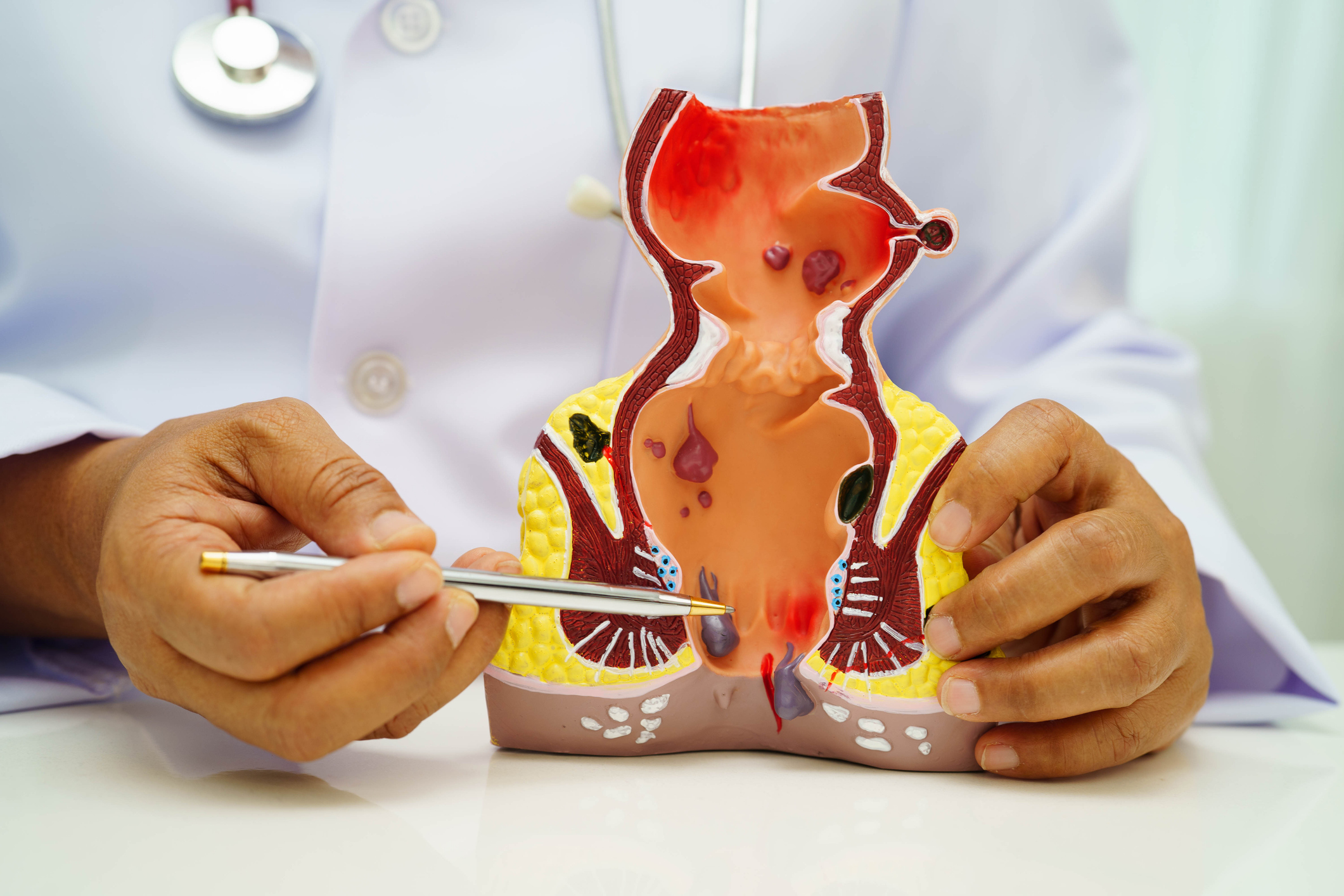
Step 3: Office-Based Treatments for Persistent Hemorrhoids
If hemorrhoids continue to bleed or prolapse despite conservative care, your doctor may recommend a minor in-office procedure. These are effective options for mild-to-moderate internal hemorrhoids that don’t respond to home treatment alone.
Rubber Band Ligation
A small elastic band is placed around the base of an internal hemorrhoid to cut off its blood supply, causing it to wither and fall off within a week. It’s one of the most widely used non-surgical hemorrhoid treatment options available in a clinical setting.
Sclerotherapy
A chemical solution is injected into the hemorrhoid tissue to create a small scar that shrinks the swollen area. Like banding, this is performed in an outpatient setting with minimal recovery time.
While these office-based treatments work well for many patients, they can sometimes cause localized cramping and carry a risk of recurrence for more advanced or chronically bleeding cases.
Step 4: Non-Surgical Hemorrhoid Treatment for Severe Cases — Hemorrhoidal Artery Embolization (HAE)
For severe, recurrent, or chronically bleeding hemorrhoids that don’t respond to conservative care, traditional open surgery (hemorrhoidectomy) used to be the only remaining option. Because surgical removal involves cutting in an exceptionally sensitive area, many patients understandably avoid it—sometimes for years.
Today, there’s a better way.
How Hemorrhoidal Artery Embolization Works
Hemorrhoidal Artery Embolization (HAE) is a minimally invasive vascular procedure that addresses internal hemorrhoids at their root cause. Internal hemorrhoids are essentially engorged cushions fed by hyperactive blood vessels. During the HAE procedure, an interventional radiologist navigates a microscopic catheter through a pinhole entry point in the thigh—completely bypassing the rectal area. Microscopic coils or particles are then placed directly into the tiny arterial branches feeding the hemorrhoids, reducing excess blood flow from the inside out.
Why Patients Choose HAE Over Traditional Surgery
Because HAE involves no cutting, no open wounds, and no stitches, patients experience:
- Minimal Post-Procedure Discomfort: Avoiding surgical incisions protects sensitive nerve endings throughout the recovery process.
- Rapid Return to Normal Life: Most patients return to work and daily activities within 1 to 3 days, rather than weeks of surgical recovery.
- Same-Day Outpatient Convenience: The procedure is completed in under an hour under light sedation, and patients recover in the comfort of their own home the same day.
HAE is a true non-surgical hemorrhoid treatment—not a variation of surgery, but an entirely different approach that works through the vascular system rather than direct tissue removal.
Take Control of Your Hemorrhoid Symptoms
You don’t have to live around hemorrhoid discomfort or dread a painful surgical recovery. From basic dietary adjustments to advanced, image-guided endovascular options, effective non-surgical hemorrhoid treatment exists for every stage of the condition.
At My AIM Health, our board-certified interventional radiologists specialize in advanced, pinhole procedures like Hemorrhoidal Artery Embolization. If conservative treatments have fallen short and you’re looking for lasting relief without open surgery, contact our clinic today to schedule a confidential consultation.